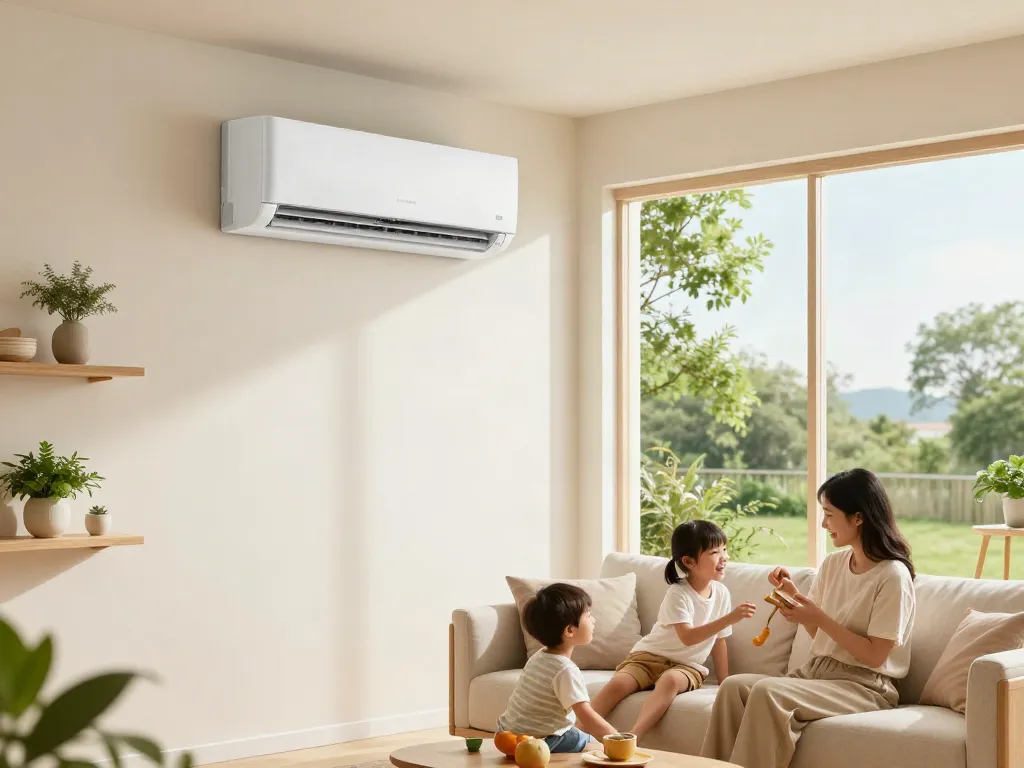
Understanding Mini Split Air Conditioners
In today's world, energy efficiency and comfort are paramount when it comes to heating and cooling solutions for our homes. Among the various options available, mini split air conditioner have emerged as a highly effective and versatile choice. These systems not only provide efficient heating and cooling but also offer flexibility in installation and design, making them suitable for a wide range of applications from residential homes to commercial spaces.
What is a Mini Split Air Conditioner?
A mini split air conditioner, often referred to as a ductless system, consists of an outdoor compressor unit and one or more indoor air handling units. Unlike traditional HVAC systems that rely on ductwork to distribute air, mini splits deliver conditioned air directly into the living space. This unique setup allows for greater control over individual room temperatures and reduces energy waste often associated with ducted systems.
Components of a Mini Split System
Understanding the essential components of a mini split system is crucial for effectively utilizing its features. Here are the key parts:
- Outdoor Unit: The outdoor unit houses the compressor and condenser, which are responsible for heat exchange.
- Indoor Unit: These are wall-mounted units that disperse cooled or heated air into the room.
- Refrigerant Lines: This connects the outdoor unit to the indoor units, allowing for heat transfer.
- Drain Line: A line that removes condensation from the indoor unit, essential for maintaining efficiency.
How Mini Splits Work Efficiently
Mini split systems operate on the principle of heat exchange, using refrigerant to transfer heat between the indoors and outdoors. In cooling mode, the indoor unit absorbs heat from the room, cooling it down, while the outdoor unit releases that heat outside. Conversely, when heating is required, the process reverses, using the heat from the outside air to warm the indoors. Their ability to function in both modes, combined with inverter technology for variable speed compressor operation, allows mini splits to maintain energy efficiency even in extreme weather conditions.
Benefits of Using Mini Split Air Conditioners
Energy Efficiency and Cost Savings
One of the primary advantages of mini split air conditioners is their impressive energy efficiency. With SEER (Seasonal Energy Efficiency Ratio) ratings often exceeding those of traditional systems, mini splits can significantly lower energy bills. Because they do not rely on ductwork, they avoid energy losses that can occur due to leaks or poor insulation in ducted systems. Homeowners often notice a substantial decrease in their energy consumption, translating into long-term savings.
Flexibility in Installation and Design
Mini split systems offer remarkable flexibility in installation, making them ideal for various settings. Their compact design allows for installation in spaces where traditional systems may be impractical. Whether it’s an attic, basement, or small apartment, mini splits can fit seamlessly into any environment. Additionally, multiple indoor units can be linked to a single outdoor unit, providing customized climate control across different zones.
Enhanced Comfort Control with Zoning
Another beneficial feature of mini splits is their capacity to provide zoning capabilities. Each indoor unit can be individually controlled, allowing occupants to set different temperatures for different rooms. This not only maximizes comfort but also optimizes energy use by cooling or heating only the spaces that are in use. As a result, families can enjoy tailored comfort while minimizing energy costs.
Choosing the Right Mini Split Air Conditioner for Your Home
Factors to Consider Before Purchase
When selecting a mini split air conditioner, several factors should be taken into consideration:
- Room Size: Calculate the BTU (British Thermal Unit) requirements based on the size of the area to be cooled or heated.
- Climate: Understanding your local climate can help determine whether a heat pump or air conditioning mode is more suitable.
- Noise Levels: Consider the noise rating of the units, especially for bedrooms or workspaces.
Comparing BTU Ratings and Coverage Areas
BTU ratings are fundamental in ensuring that your mini split air conditioner provides adequate cooling or heating for your specific area. Generally, a higher BTU rating indicates a unit's ability to cool larger spaces. Homeowners should refer to manufacturer guidelines to match BTU requirements with room dimensions, ensuring optimal performance.
Evaluating Brand Reliability and Reviews
Investing in a reliable brand is crucial for long-term satisfaction with a mini split system. Researching reviews and brand reputation can provide insights into product performance, durability, and customer service experiences. Brands that offer extended warranties and robust customer support are typically more trustworthy.
Professional Installation vs. DIY Mini Split Installation
Steps for DIY Installation
Many homeowners are tempted to install their mini split air conditioners themselves, and while DIY installation is possible, it requires precision and adherence to safety standards. Here are the basic steps:
- Choose the location: Decide where to mount the indoor unit and place the outdoor compressor.
- Drill a hole: Create a small hole for the refrigerant lines and wiring.
- Mount the indoor unit: Secure the indoor unit to the wall using the provided bracket.
- Connect refrigerant lines: Connect the tubing and electrical lines between the indoor and outdoor units.
- Test the system: Once installation is complete, check the system for leaks and ensure optimal operation.
When to Hire a Professional Installer
While DIY may seem appealing, it’s often wise to hire a professional for installation, especially for complex systems or when dealing with electrical or refrigerant lines. Professionals have the expertise to ensure proper setup and compliance with local building codes, which can prevent costly mistakes down the line. Hiring pros can also ensure that the warranty remains valid.
Common Mistakes to Avoid During Installation
For those who choose the DIY route, several common pitfalls should be avoided to ensure a successful installation:
- Neglecting Local Codes: Always check local regulations to avoid legal issues.
- Improper Sizing: Installing a unit that is too small or large can lead to inefficient operation.
- Poor Placement: Ensure that indoor units are positioned for optimal airflow and coverage.
Future Trends in Mini Split Air Conditioner Technology
Innovations in Smart Controls and Connectivity
The mini split air conditioner market is embracing smart home technology, with many new models offering Wi-Fi connectivity and smartphone app controls. Users can adjust temperature settings, monitor energy usage, and schedule operation remotely. These smart features enhance user convenience and can further improve energy efficiency by enabling users to manage their systems proactively.
Environmental Impact and Energy Regulations for 2026
As environmental concerns grow, new regulations are being established that aim to improve the energy efficiency of HVAC systems, including mini splits. By 2026, manufacturers will be required to meet higher SEER ratings and incorporate eco-friendly refrigerants. This shift will likely lead to even more efficient and environmentally friendly products entering the market.
Emerging Market Trends and Consumer Preferences
Consumer preferences are shifting towards more sustainable and user-friendly heating and cooling solutions. Mini splits are perfectly positioned to meet these demands, with their energy efficiency and flexible installation options. Additionally, as people spend more time at home, the need for efficient climate control solutions is increasing, driving more interest in mini split technologies.
Additional Considerations
What Size Mini Split Do You Need?
Determining the correct size mini split for your space is essential for optimal performance. Professionals typically recommend calculating the square footage of the space and referencing BTU charts to find the appropriate unit size. It's important to remember that factors like ceiling height, insulation quality, and window size can all affect the BTU requirements.
How Much Does a Mini Split Air Conditioner Cost?
The cost of a mini split air conditioner can vary widely based on the brand, features, and installation requirements. On average, homeowners can expect to pay between $1,500 to $6,000 for a complete system, including installation. It's advisable to obtain quotes from multiple contractors to ensure a fair price and to consider the long-term energy savings when evaluating costs.
What are the Maintenance Tips for Mini Split Systems?
Maintaining a mini split air conditioner is crucial for ensuring its longevity and efficiency. Here are practical maintenance tips:
- Regularly clean or replace air filters.
- Inspect and clean the outdoor unit to prevent debris buildup.
- Schedule annual professional inspections to check refrigerant levels and system performance.
Are Mini Split ACs Noisy?
Noise levels are a common concern among consumers. Generally, mini split systems are quiet, especially in comparison to traditional HVAC systems. Indoor units typically operate at sound levels similar to a whisper, making them suitable for bedrooms and quiet spaces. However, outdoor units can produce more noise, so placement is an important consideration during installation.
What are the Disadvantages of Mini Split Systems?
While mini splits offer numerous benefits, they are not without their drawbacks. Some potential disadvantages include:
- Higher Initial Cost: The upfront investment can be higher than traditional systems, which may deter some homeowners.
- Installation Complexity: DIY installation requires specialized skills and tools, which may not be feasible for everyone.
- Aesthetic Concerns: Some individuals may find the visible indoor units less appealing.